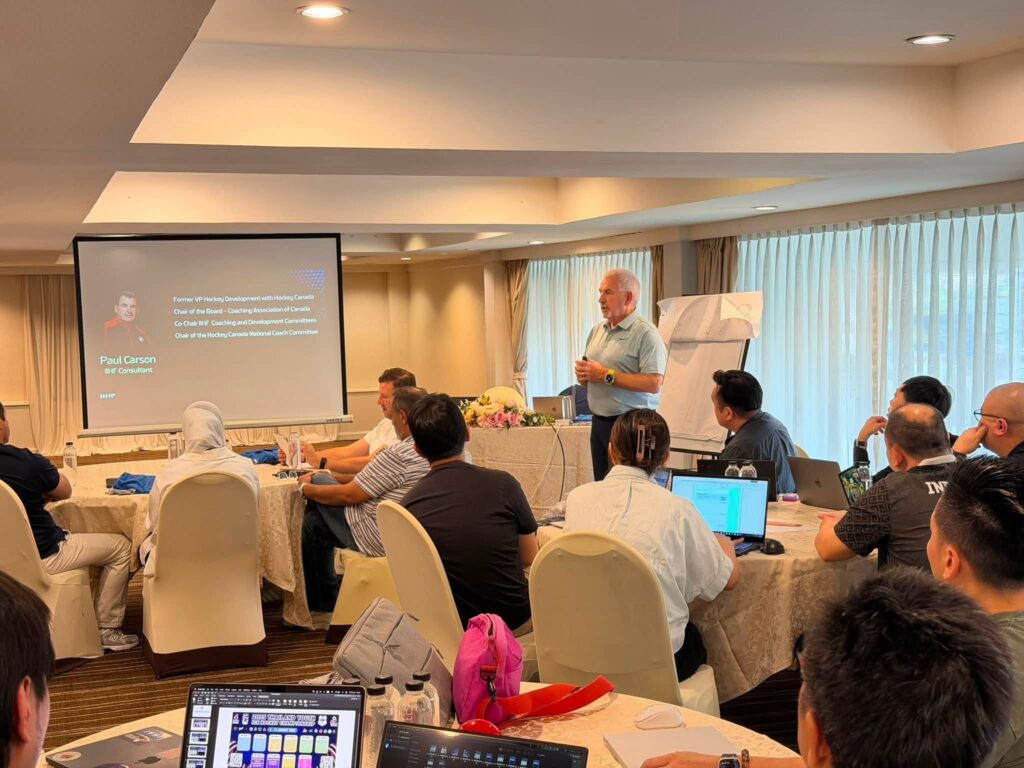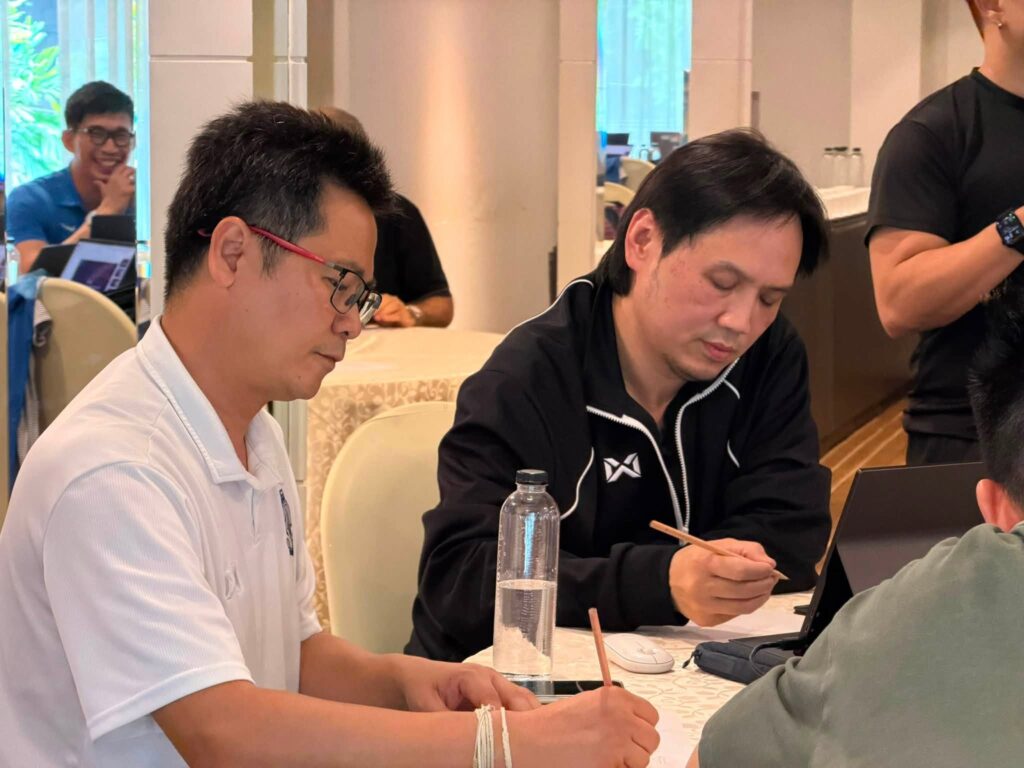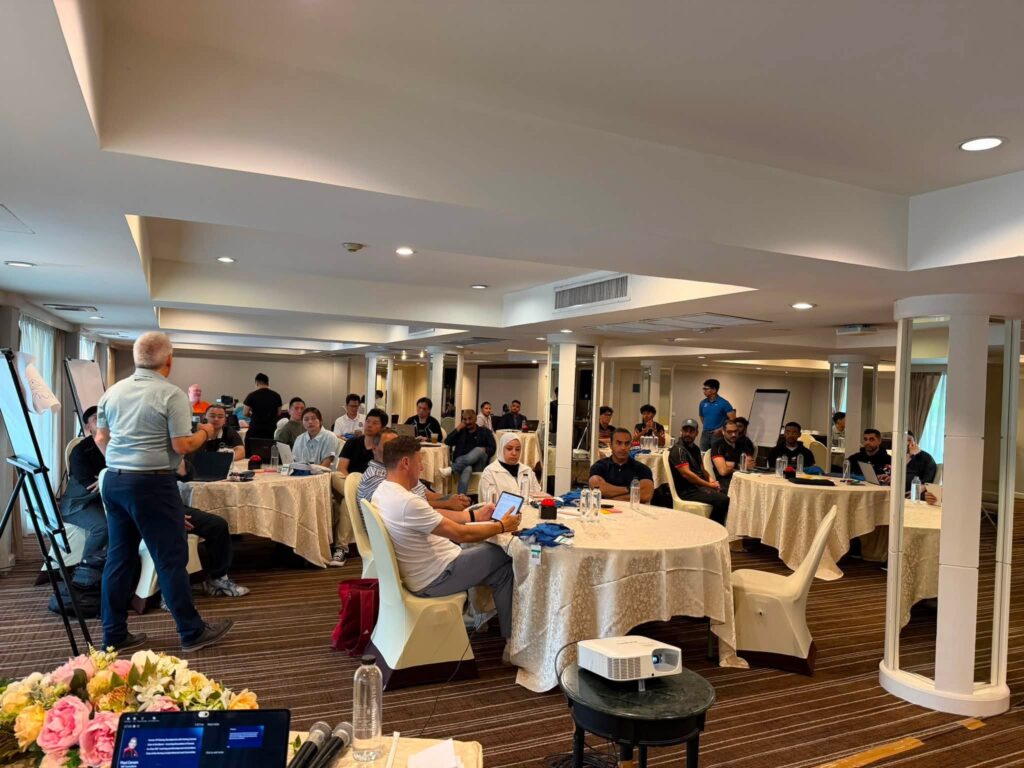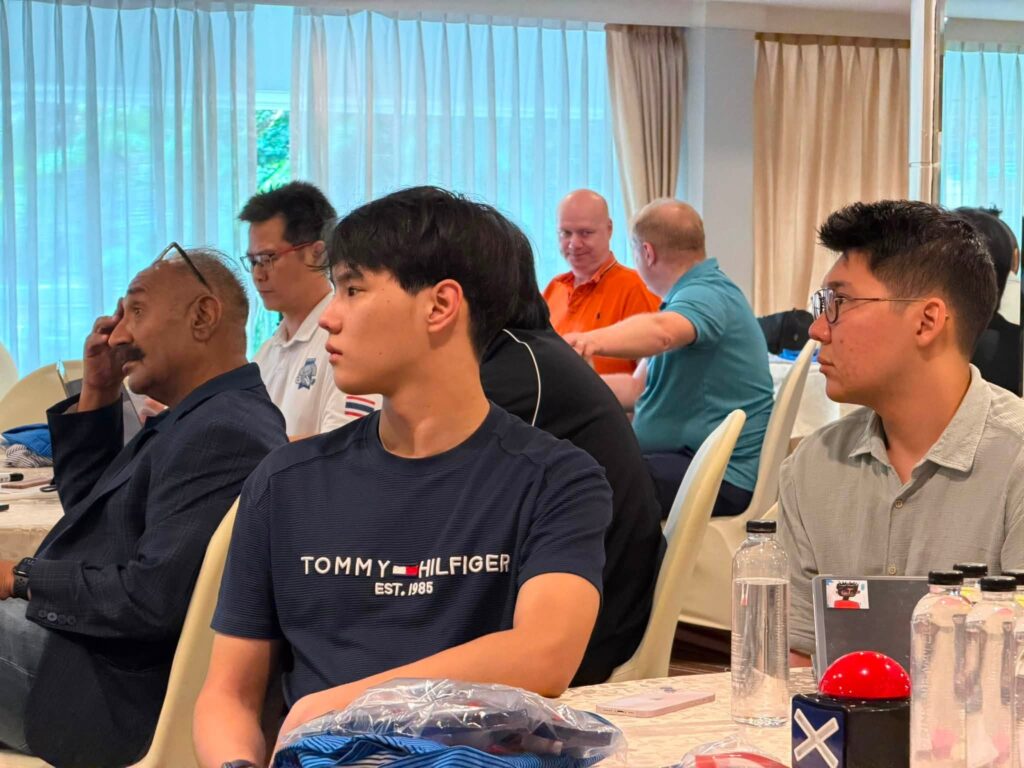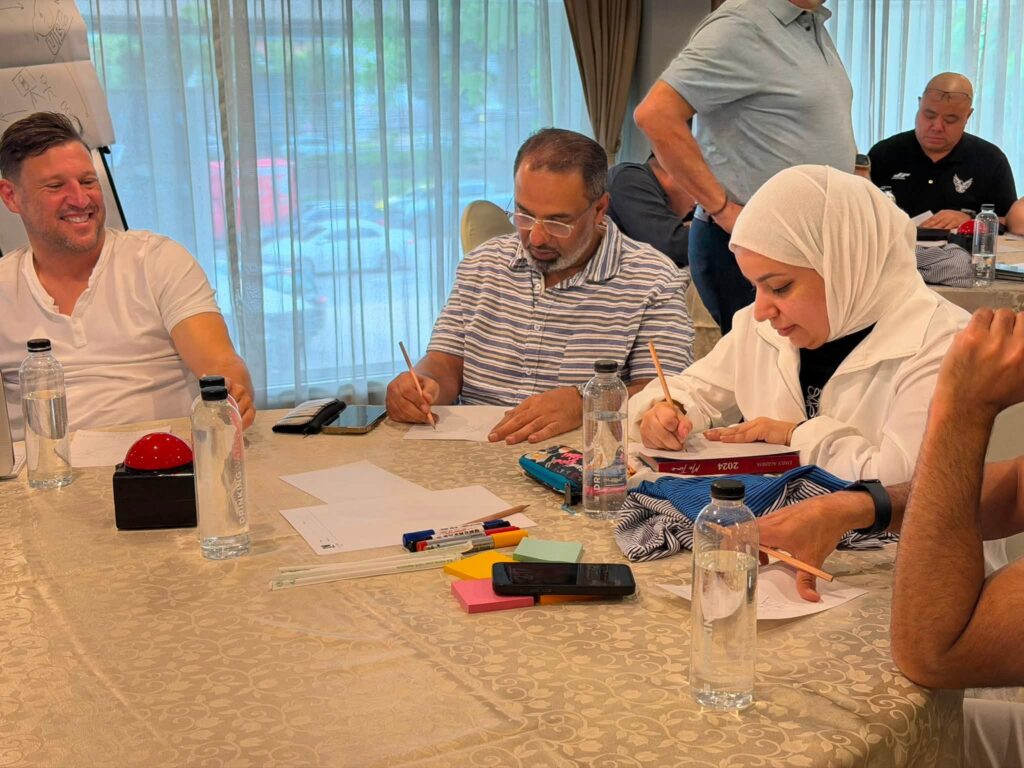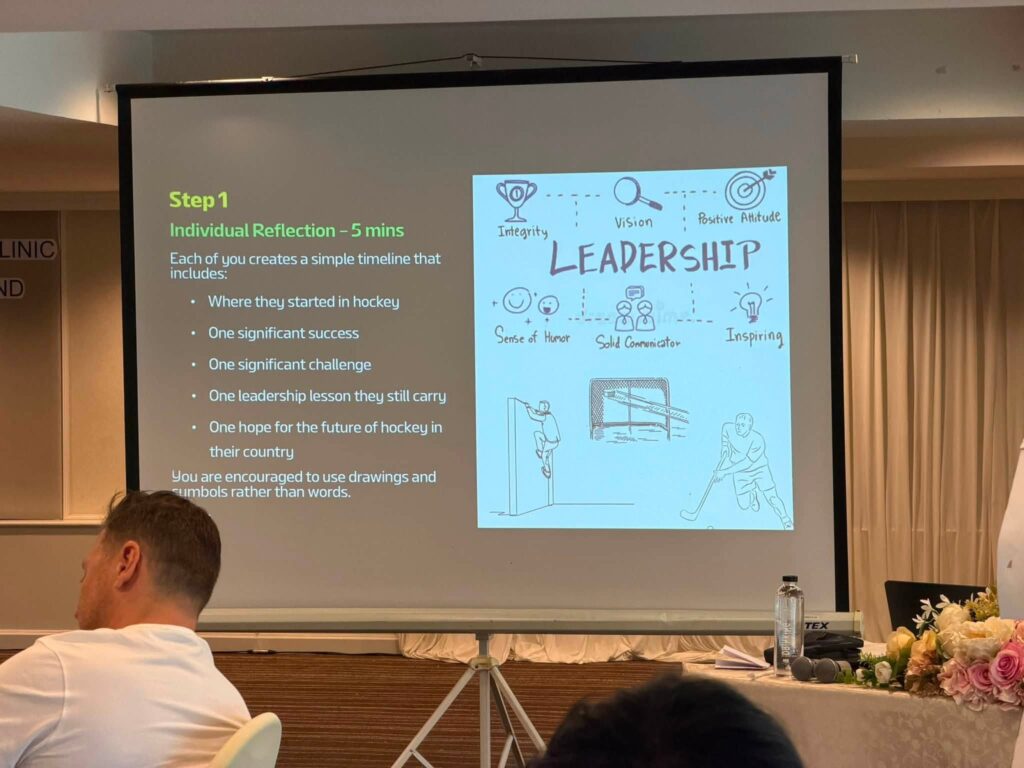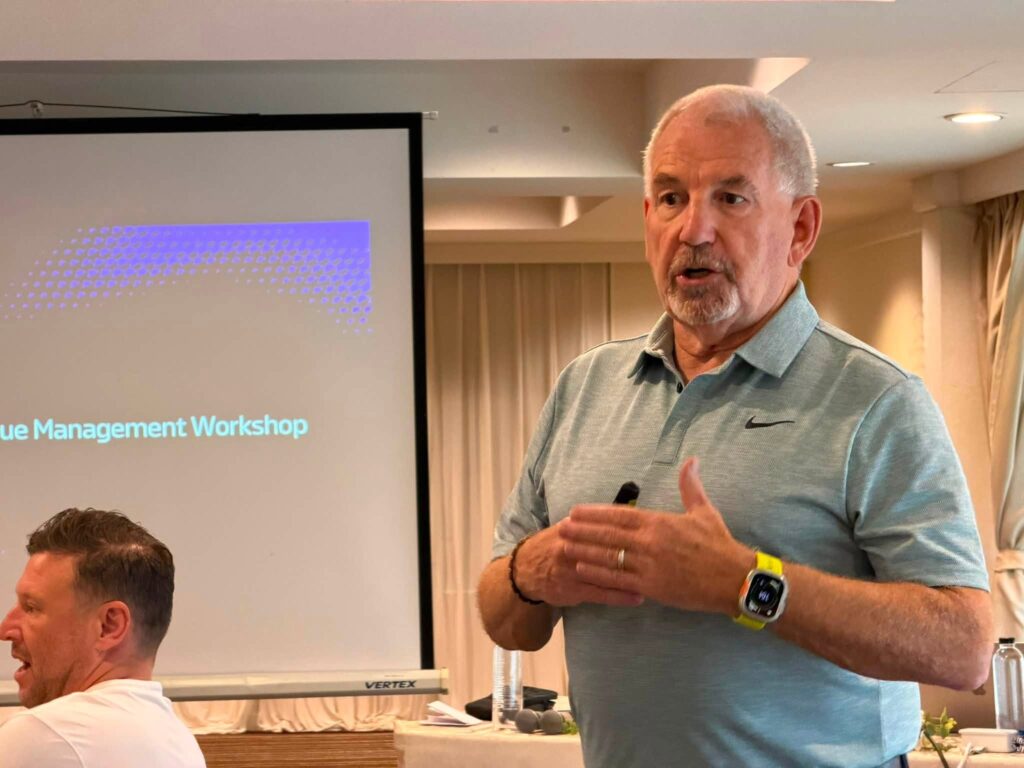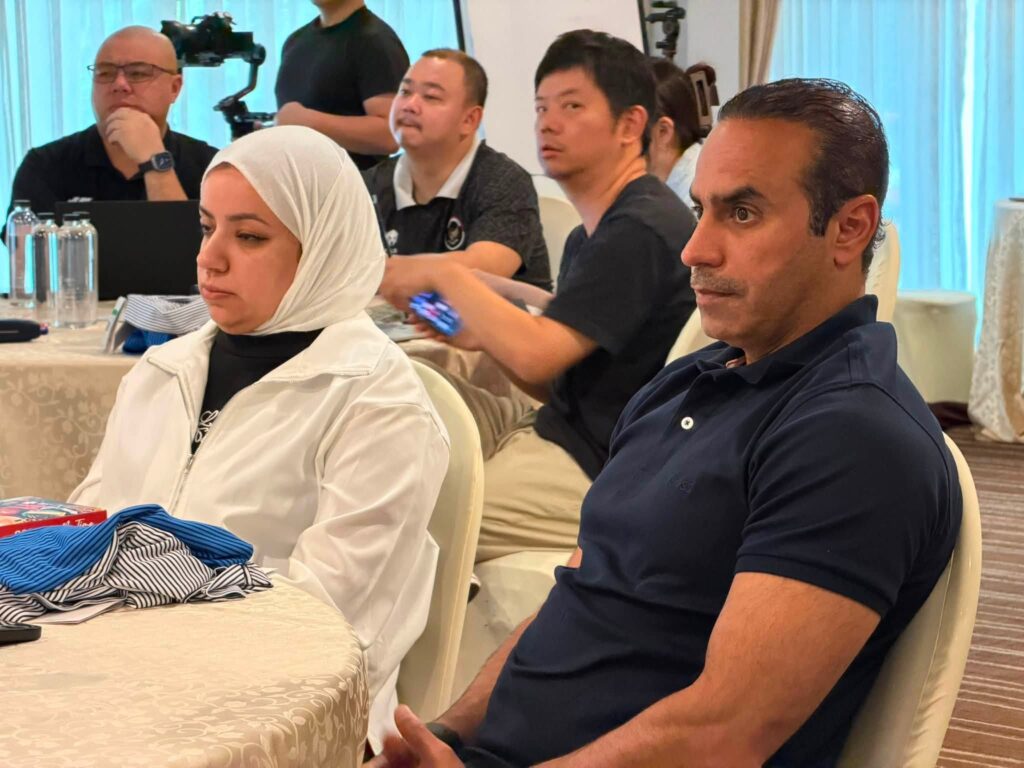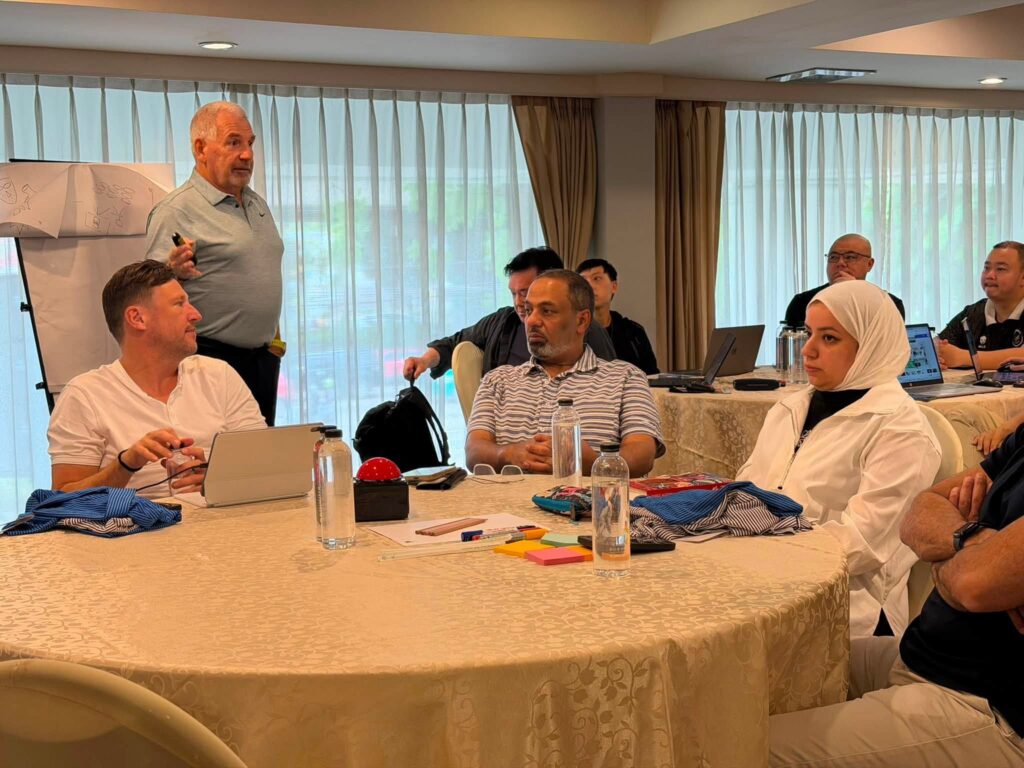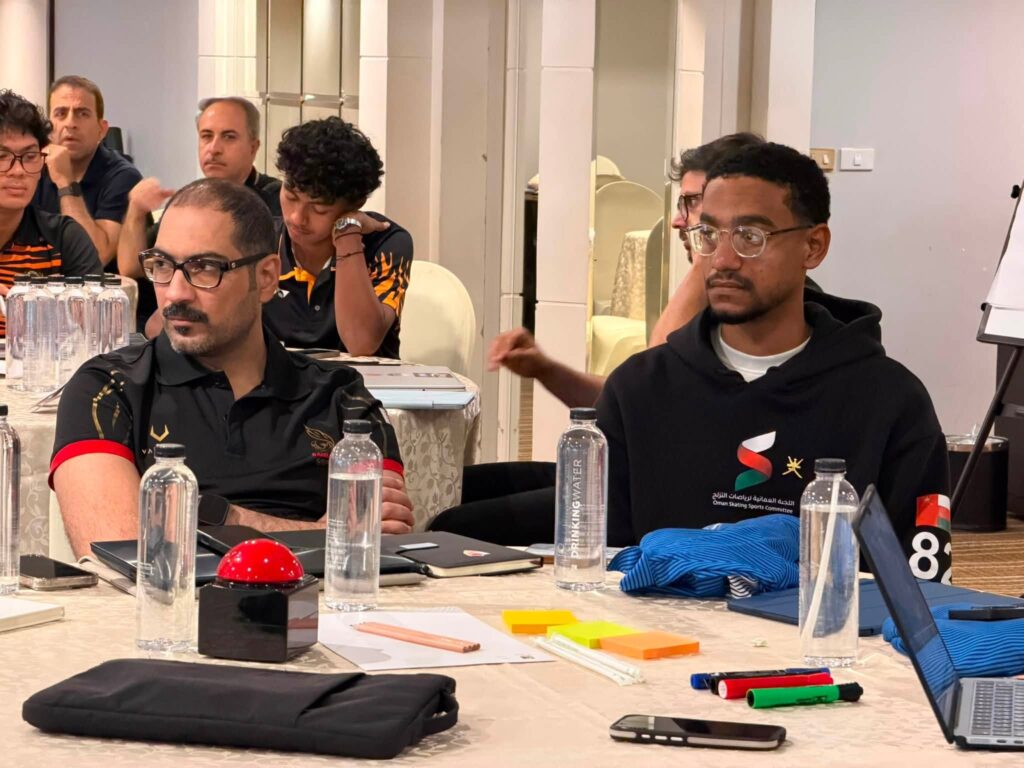

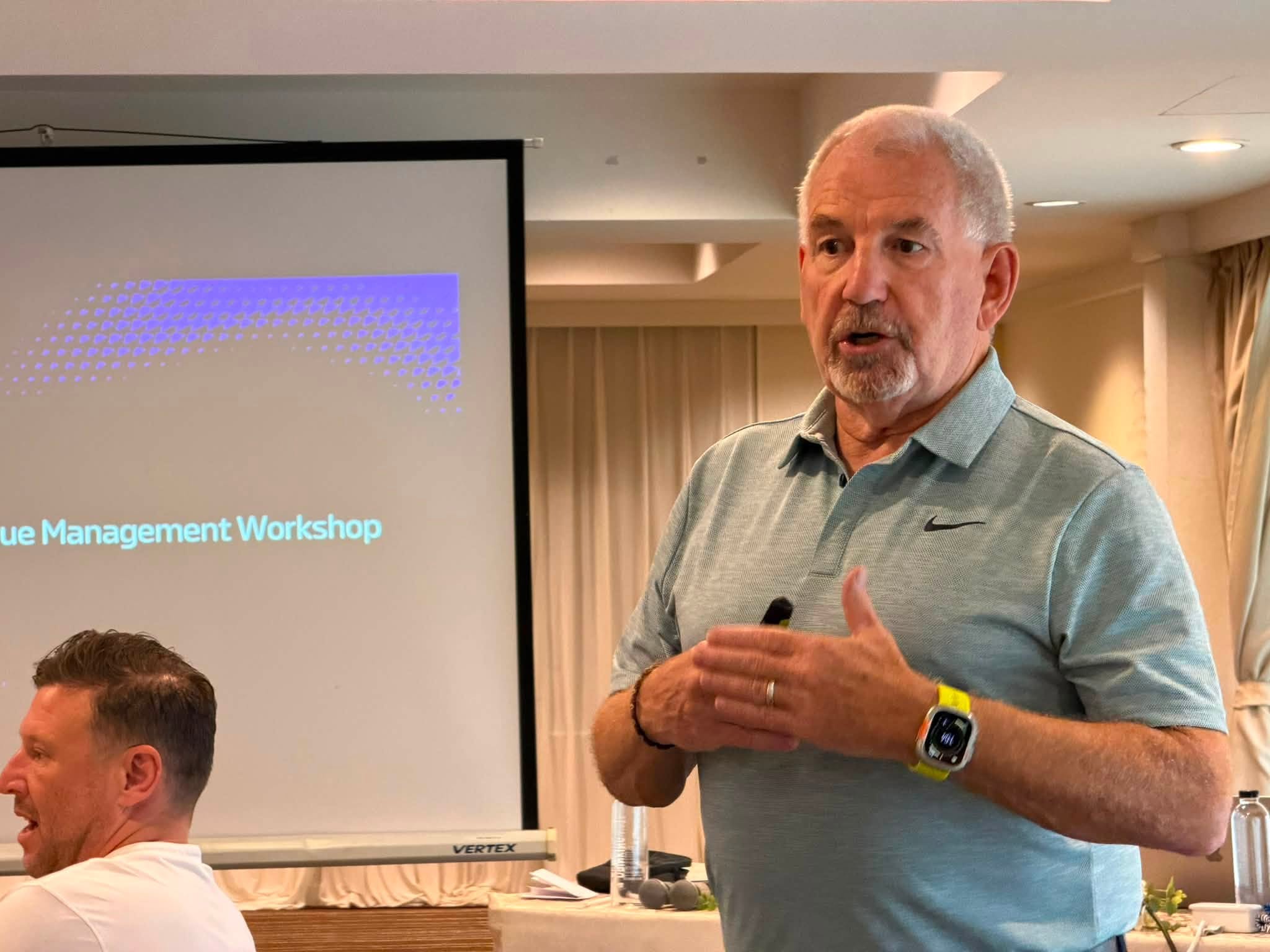
The International Ice Hockey Federation (IIHF), in collaboration with the Ice Hockey Association of Thailand, organized the IIHF ASPG League Management Clinic from 26–28 July 2026 at the SC Park Hotel.
The clinic featured distinguished international instructors, including Paul Carson, former Vice President of Sport Development at Hockey Canada, and Klaus Grubauer, Secretary General for the IIHF Ice Hockey World Championship Organizing Committee in Germany. The program was conducted under the supervision of Harald Springfeld, IIHF Sport Development Director; Kim Pedersen, IIHF Sports Director; and Wanchana Kasemsan Na Ayudhya, IIHF Regional Sport Development
The clinic attracted 27 participants representing 14 Asian member nations, including Bahrain, Hong Kong, Iran, Indonesia, India, Kuwait, Kyrgyzstan, Malaysia, Nepal, Oman, Singapore, Chinese Taipei, United Arab Emirates, and Thailand.
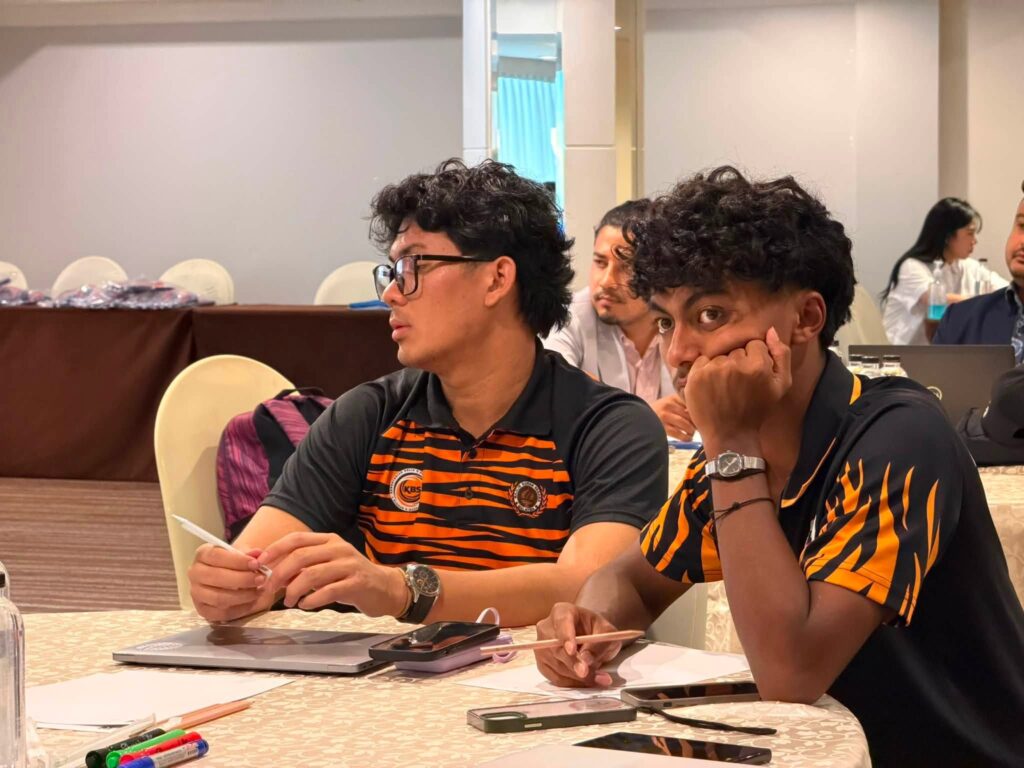
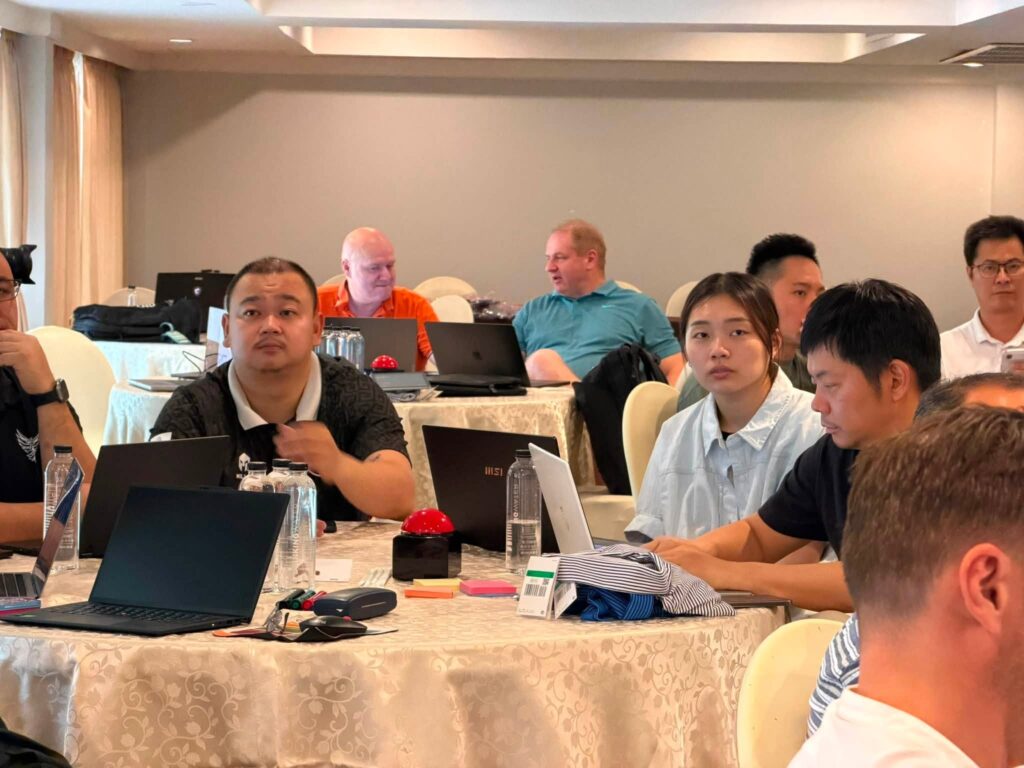
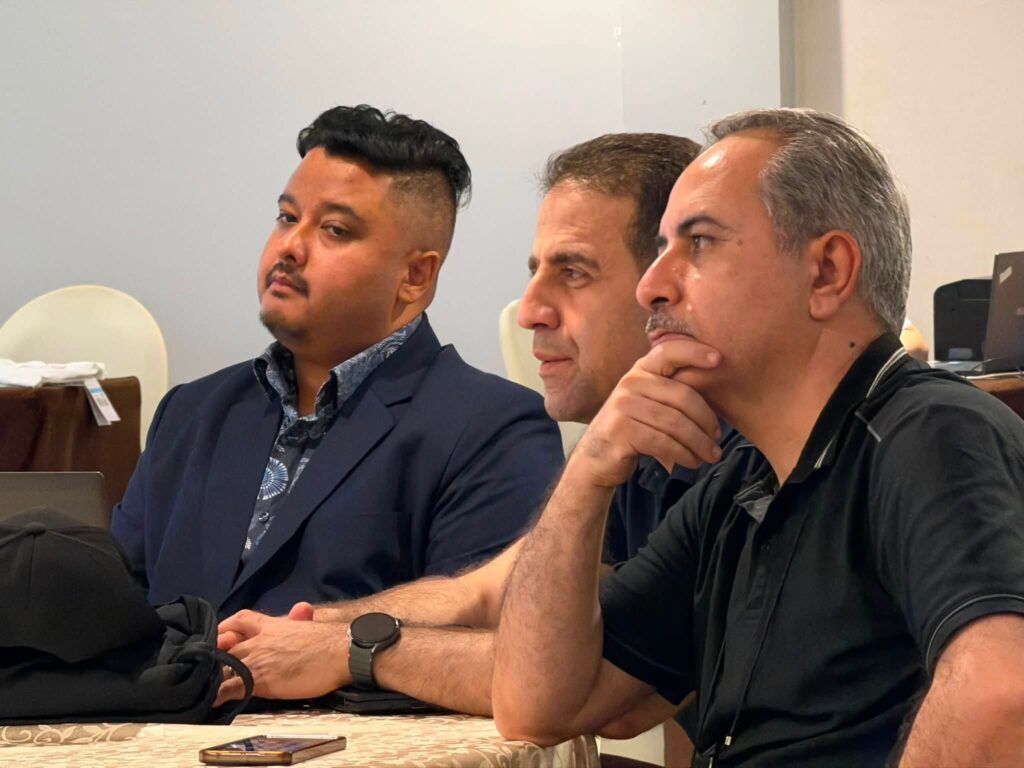
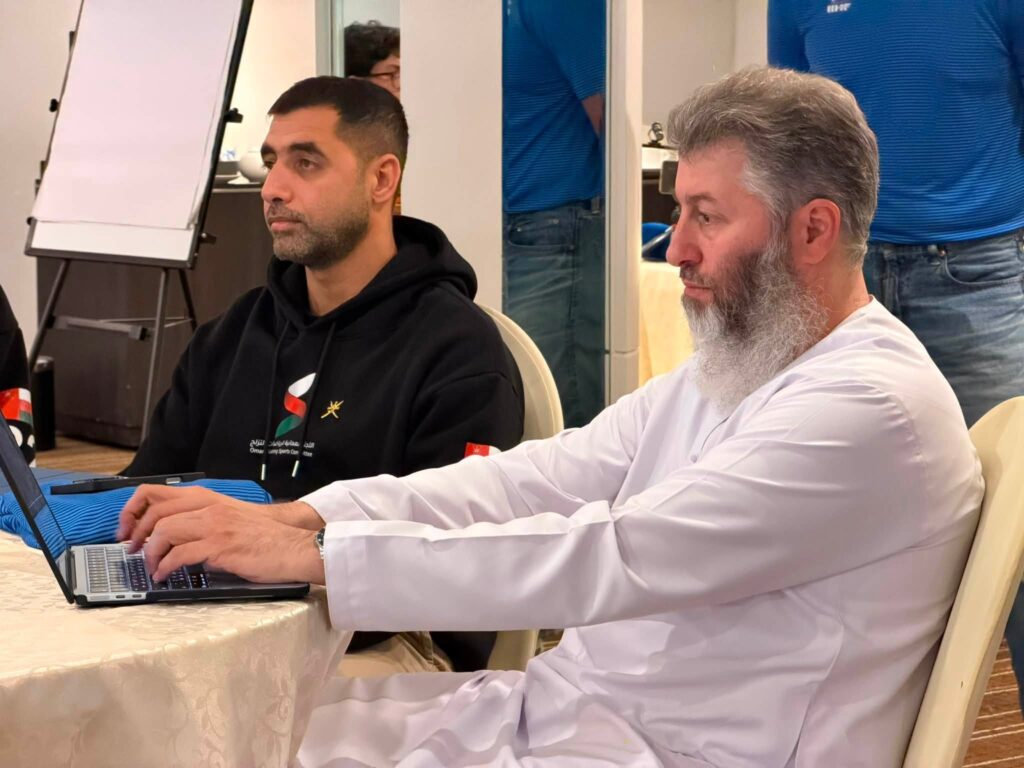
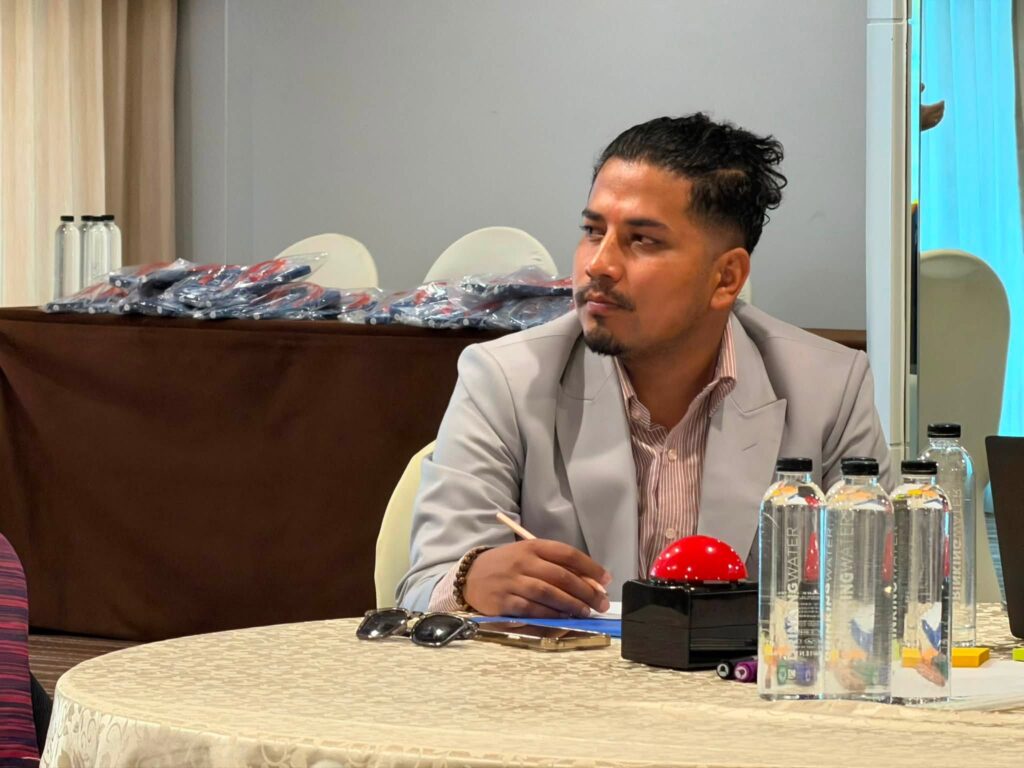
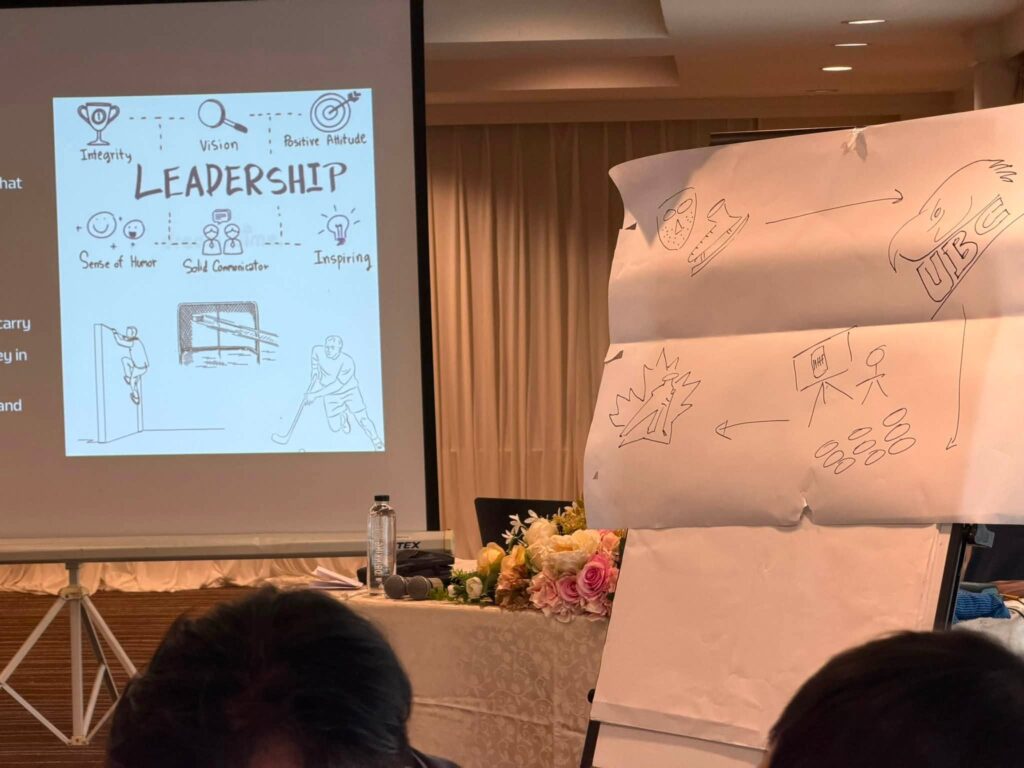
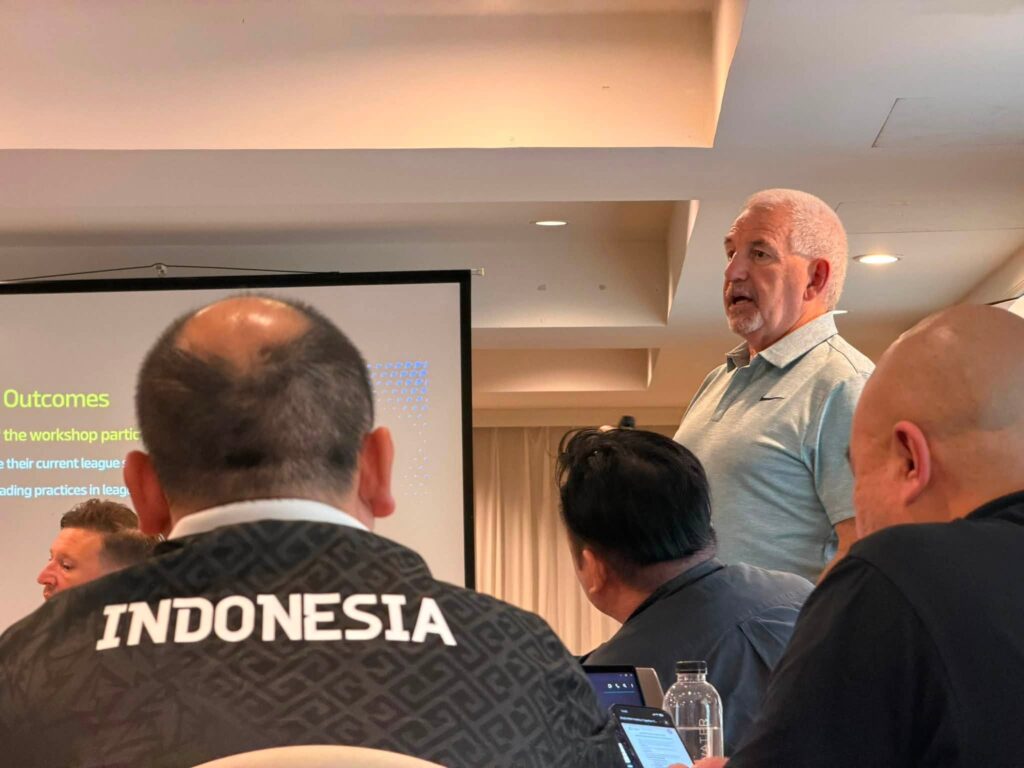
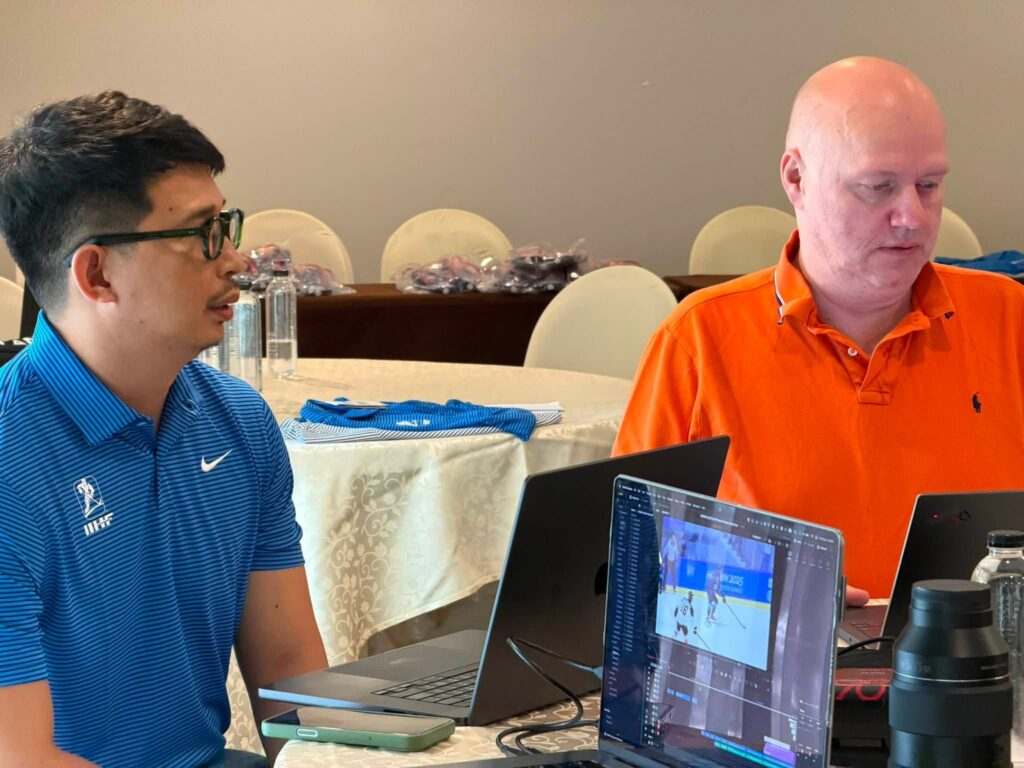
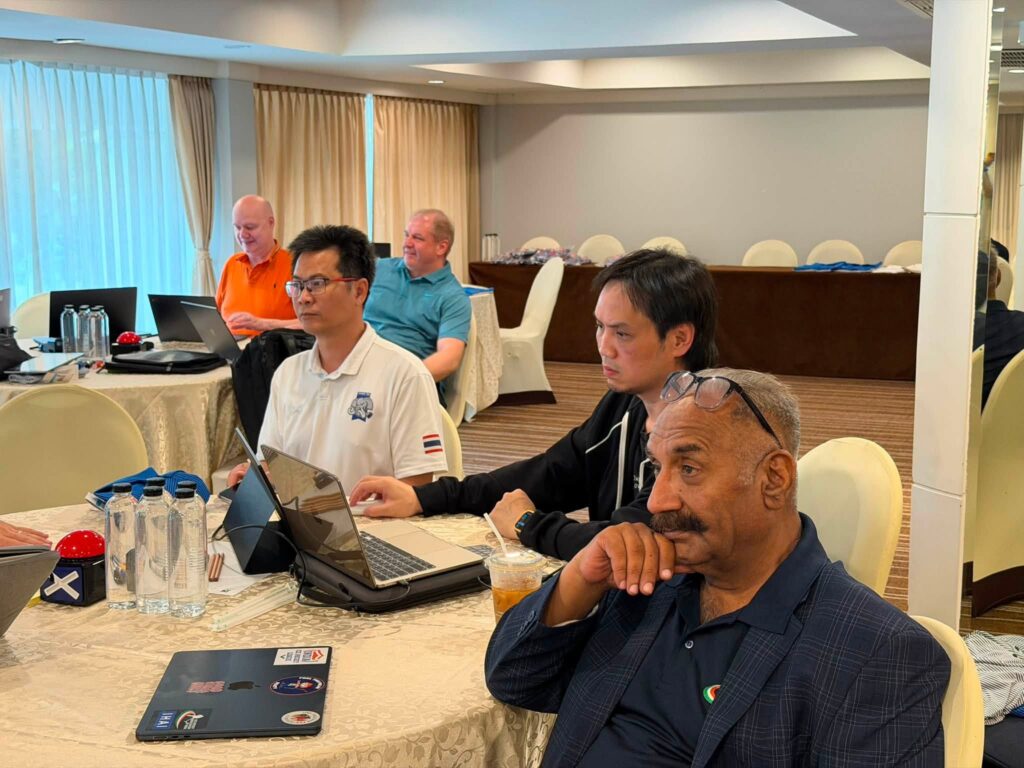
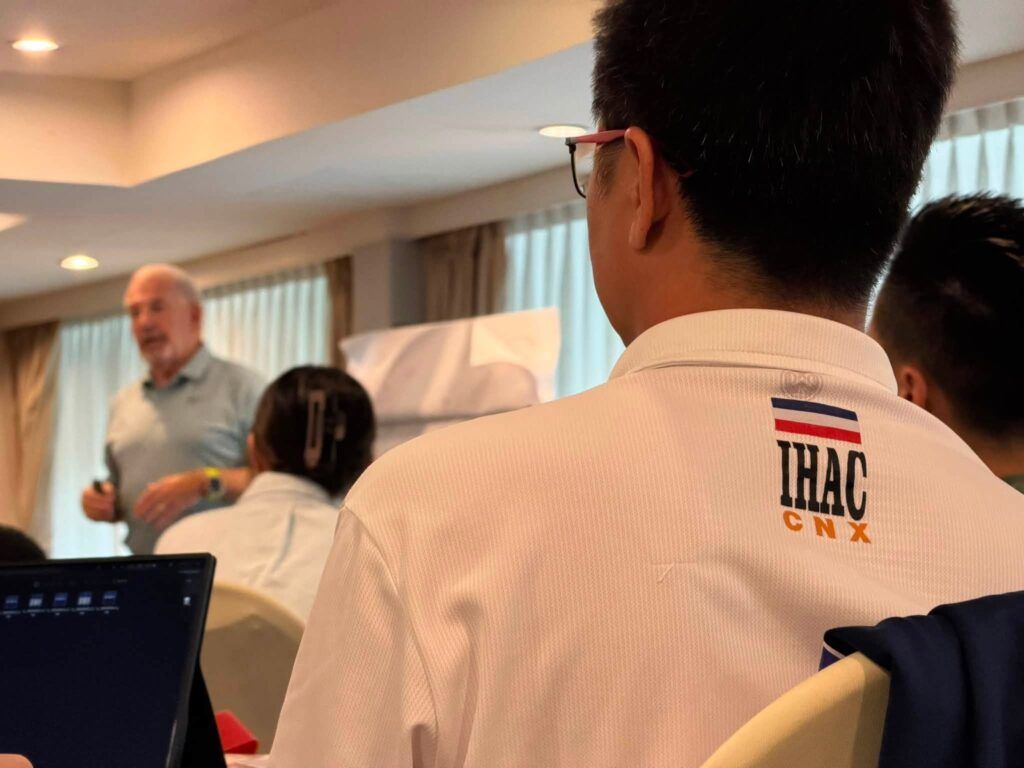
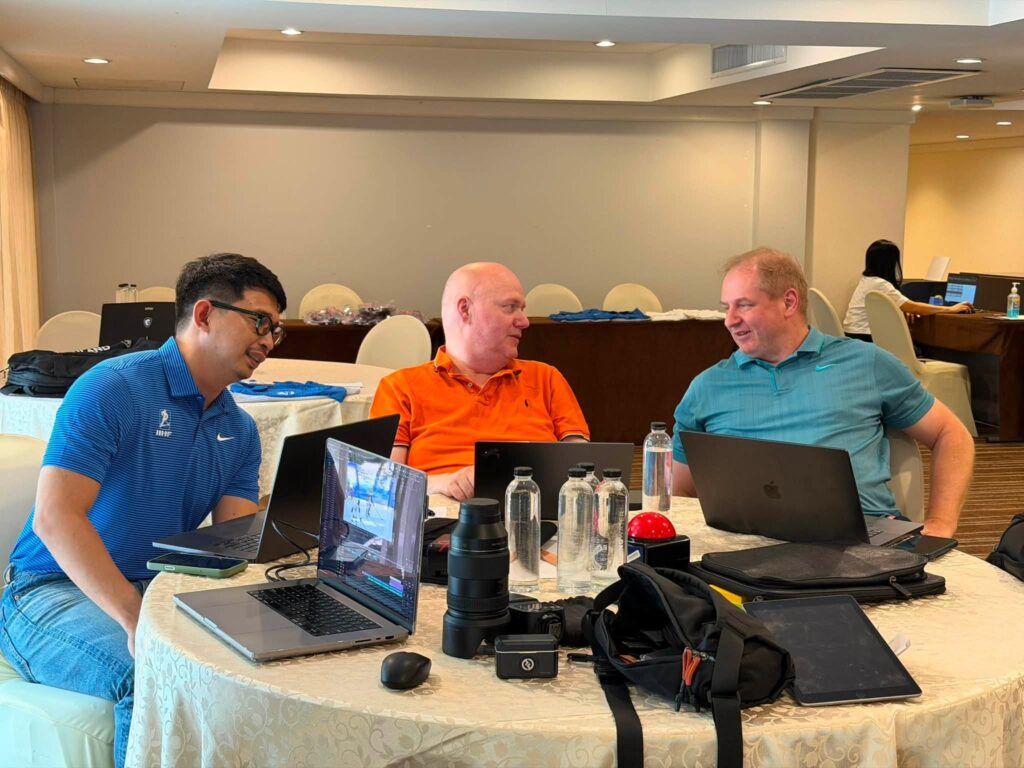
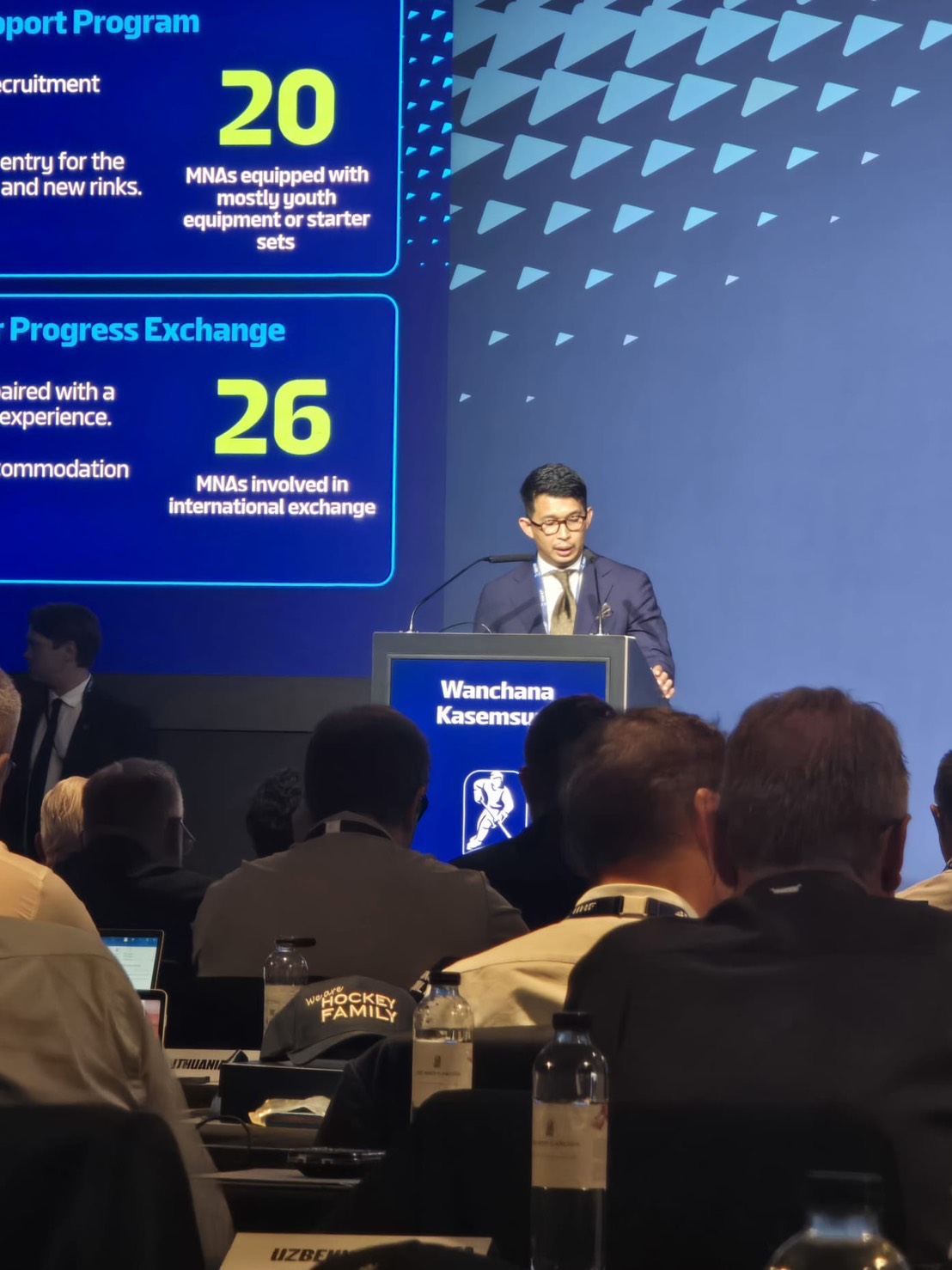
Wanchana Kasemsan Na Ayudhya, IIHF Regional Sport Development Manager for Asia, explained that the IIHF ASPG League Management Clinic is a new initiative by the International Ice Hockey Federation aimed at raising the standard of league management across Asia in accordance with IIHF guidelines. "Many leagues across the region are still operating without standardized structures," he said. "The IIHF believes that strong national leagues are the foundation of successful national teams. When a country has a well-organized league system, its national teams naturally become stronger as well."
Wanchana emphasized that a structured league system is essential to support the development of young players. Competition formats should be designed to match each age group. Younger children should compete on smaller rinks or in 3-on-3 formats, while players aged 16 and above should gradually transition to full-contact hockey. "Physical contact is an inherent part of ice hockey," he explained. "Young athletes need to learn proper body-checking techniques, understand the rules governing contact, and become accustomed to the physical intensity of international competition. In addition, game management—including stopping the clock whenever play is halted—should follow international standards."
Wanchana added that participants from all attending countries responded very positively to the course. The clinic featured experts from both the British and German league systems, providing valuable insights into league operations and development. "In Germany, ice hockey is the country's second most popular sport after football. They have a very strong league structure, which has helped their national team become one of the world's top-ranked teams. That has inspired many Asian nations to further develop their own domestic leagues." He noted that while many Asian countries already organize competitions, most are privately run for recreational purposes, with rules determined independently by each organizer. As a result, league standards vary considerably from country to country. Speaking about Thailand, Wanchana said the country should establish a structured Thailand National Championship with competitions organized by age categories, progressing from youth divisions to the open division.
"Full-contact hockey should begin at the U16 or U18 level so players can develop the necessary skills and confidence," he said. "Otherwise, when Thailand competes at the IIHF World Championship against teams that play a much more physical style, our young players often struggle. If they are introduced to proper body contact from an early age, they will be much better prepared and won't be intimidated when facing physical opponents on the international stage."